Wood Sublimation Backgrounds: Vibrant Textures for Modern Crafters
There’s a unique satisfaction in working with materials that have character. While digital tools offer endless possibilities, the tactile, organic feel of wood often gets lost in translation. Wood Sublimation Backgrounds bridge that gap, offering a collection of nine high-resolution, transparent PNG files designed to inject natural warmth and vibrant color into your creative projects. These aren’t just generic textures; they are handcrafted assets built for the specific demands of modern sublimation crafts, digital design, and branding.
Understanding the Visual Appeal and Technical Specs
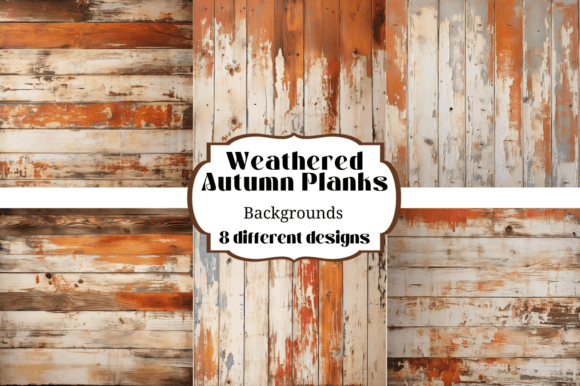
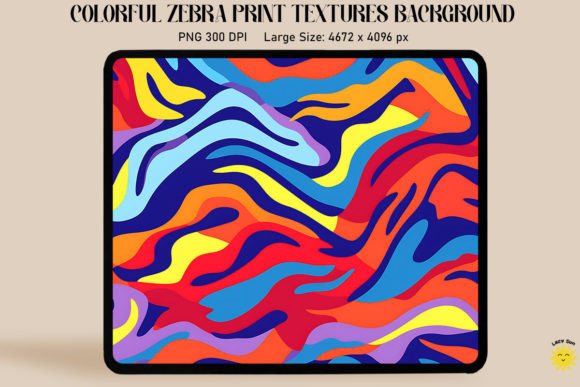
At their core, these backgrounds capture the essence of wood grain—its lines, knots, and subtle variations—while reimagining it through a spectrum of rich, saturated colors. The style leans into a modern, artistic interpretation of a classic material. You’ll find the textures have a clean, defined personality; they are detailed enough to feel authentic but stylized to avoid looking overly rustic or weathered unless that’s the intended effect. The overall appeal is versatile, sitting comfortably between organic and graphic, making it suitable for both playful crafts and more polished commercial applications.
From a technical standpoint, the files are engineered for quality. Each background is provided at 12x12 inches (3600x3600 pixels) at 300 DPI. This resolution is critical. It ensures your designs remain crisp and professional, whether you’re printing a small mug wrap or scaling up for a large wall art piece. The transparent PNG format is a practical choice, allowing the colorful wood patterns to layer seamlessly over other design elements, text, or solid colors without cumbersome masking. This feature alone significantly streamlines the design process for products like t-shirts, tote bags, and ceramic mugs.
Practical Applications: From T-Shirts to Brand Identities
The true value of a design asset lies in its utility. These Wood Sublimation Backgrounds excel in the world of sublimation crafts. Their resolution and format are tailor-made for heat transfer projects. Imagine creating a series of vibrant, nature-inspired t-shirts where the wood grain becomes the canvas for bold typography or intricate illustrations. The backgrounds can serve as the base layer, adding depth and texture that solid colors simply can’t match. For personalized mugs, coasters, or phone cases, a colorful wood pattern offers a distinctive alternative to standard photographic prints or flat graphics.
Beyond physical products, these assets are powerful tools in digital design and branding. A creative entrepreneur developing a brand identity for a coffee shop, a furniture maker, or an artisanal product line can use these backgrounds to create a cohesive visual language. They work beautifully as website hero images, social media post templates, or email newsletter headers, instantly conveying a sense of craftsmanship and approachability. In editorial design, they can serve as textured page backgrounds for magazines or lookbooks, adding visual interest without overwhelming the content. For packaging design, a subtle wood texture can elevate a product’s perceived value, suggesting quality and natural ingredients.
Integrating Texture into Your Design Workflow
Using these backgrounds effectively requires a bit of strategic thinking. They are not a display font or a script typeface that commands attention through letterforms; rather, they are foundational design assets that support other elements. Think of them as the stage upon which your logo design, typography, and imagery perform. Their colorful nature means they can influence your entire color palette. A background with deep blues and greens might steer a brand’s brand identity toward earthy, calming tones, while a pattern featuring bright oranges and yellows could inspire a more energetic, playful aesthetic.
When pairing with typography, contrast is key. A detailed, colorful wood background pairs best with clean, legible type. A bold sans serif font often provides excellent readability against such a textured surface, creating a clear visual hierarchy. A delicate serif font or an elegant script font can also work, but ensure there’s sufficient size and perhaps a subtle drop shadow or solid color block behind the text to maintain clarity. Always test your font pairing on the actual background to check for legibility issues before finalizing a design.
From a project management perspective, the included set of nine distinct patterns offers good variety for creating collections or series. You could use one background for a product line’s primary items and others for coordinating pieces, ensuring visual consistency without monotony. Remember, while the mockups and preview images are not included, the transparent PNGs are the raw, ready-to-use material. Your creativity in combining them with other elements—whether additional graphics, photographs, or solid color layers—is what will bring your final vision to life. These are premium font and asset companions, designed to elevate the production value of your work, whether it’s a personal hobby project or a commercial venture aimed at engaging a broader audience.